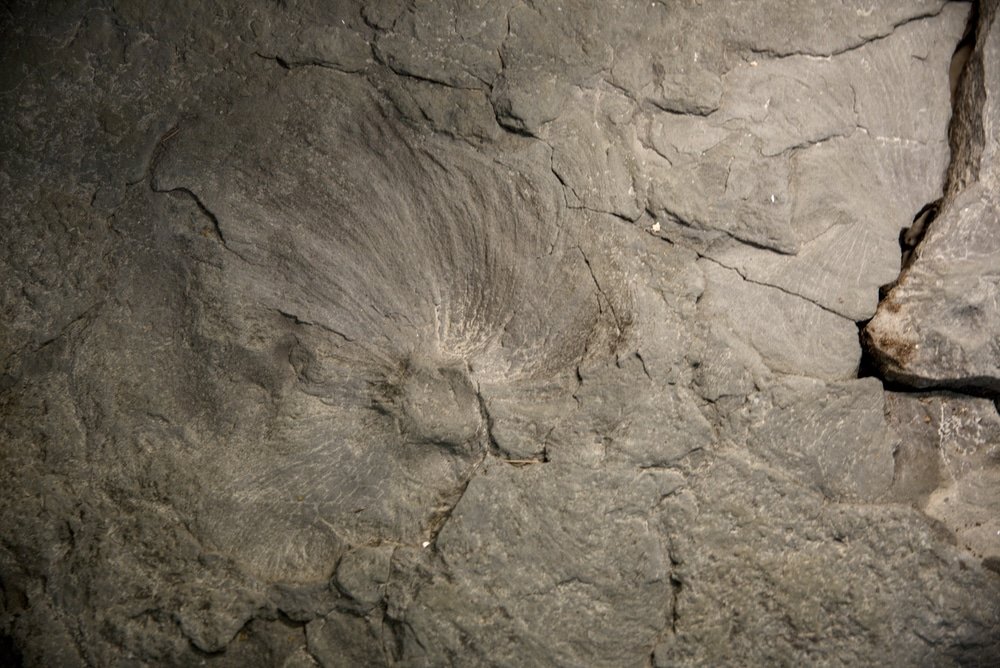
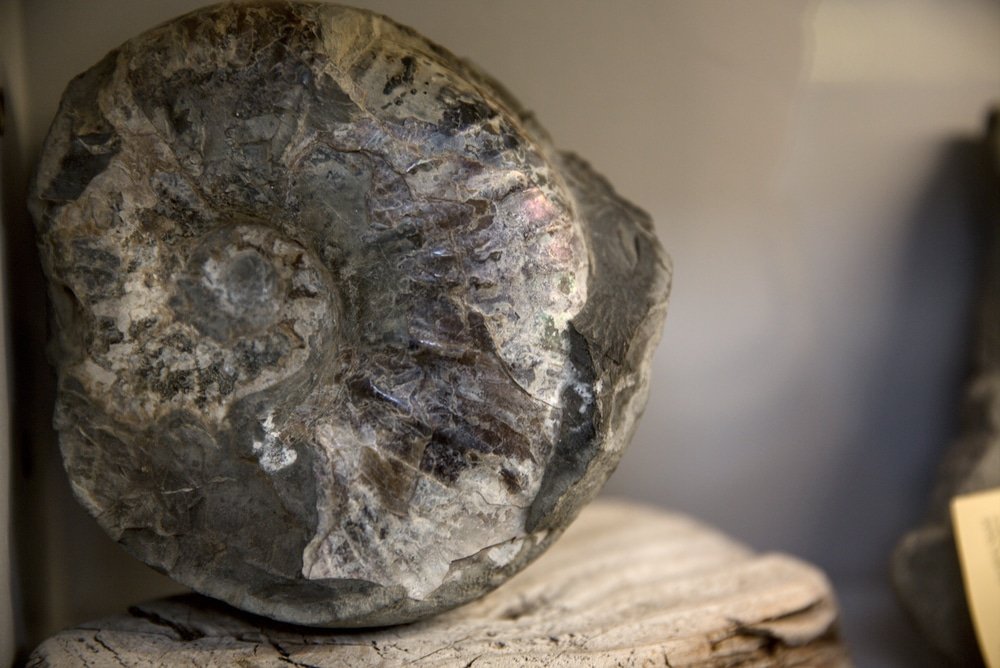
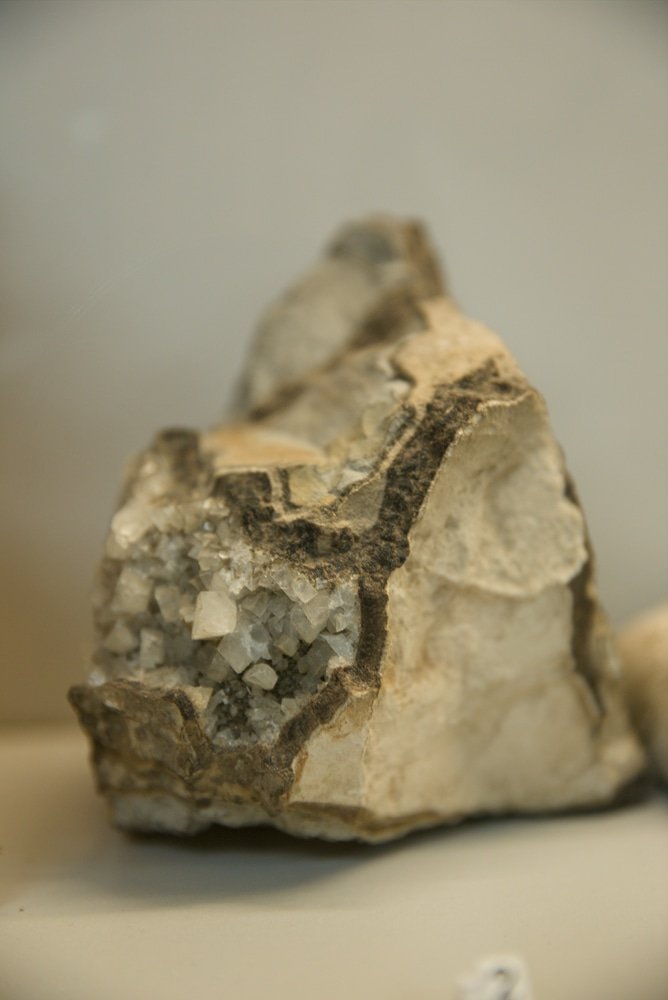
Long before Denman Island emerged from the sea, ancient oceans covered this land, their deep submarine fans alive with creatures that left behind the fossils now preserved on the upper shelves. Some 80–70 million years ago, during the Late Cretaceous, giant Inoceramus bivalves lined the seafloor, ammonites drifted through open water, crinoids (sea lilies) swayed in gentle currents, and heart urchins burrowed into sediment. Trace fossils in concretions record the quiet movements of ancient life, while petrified wood speaks of forests that once stood nearby—silent witnesses to a world that has long since vanished.
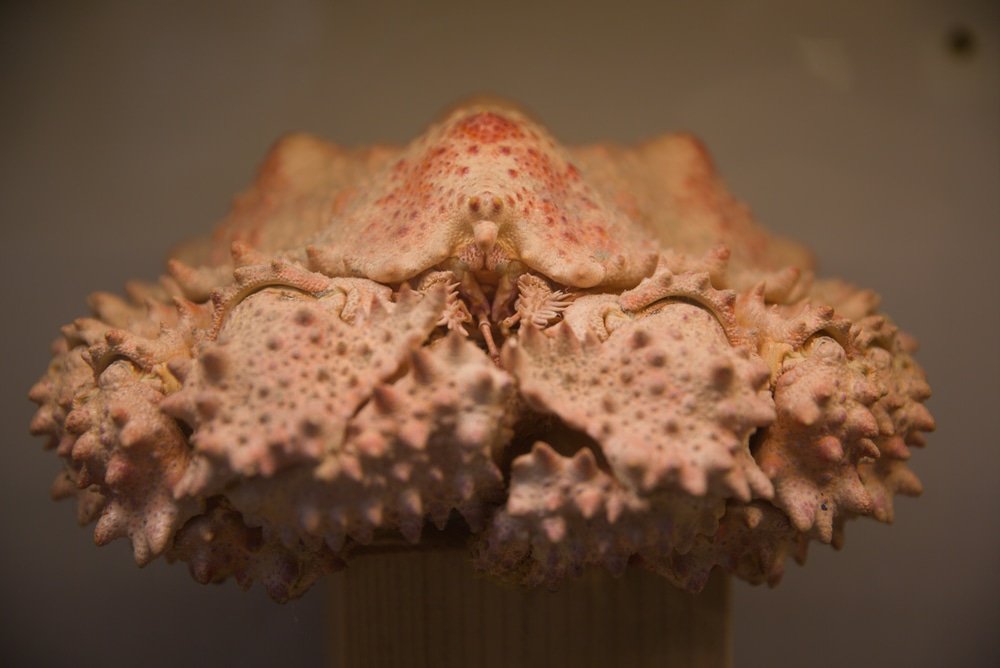
The lower shelves carry the story forward into the present day, displaying the living descendants of those ancient seas. King crabs, geoducks, horse clams, sea urchins, corals, kelp, sponges, abalone, and an array of shells and starfish remind us that the Salish Sea remains a rich, continuous marine realm, where the same forms of life persist, adapted yet enduring.
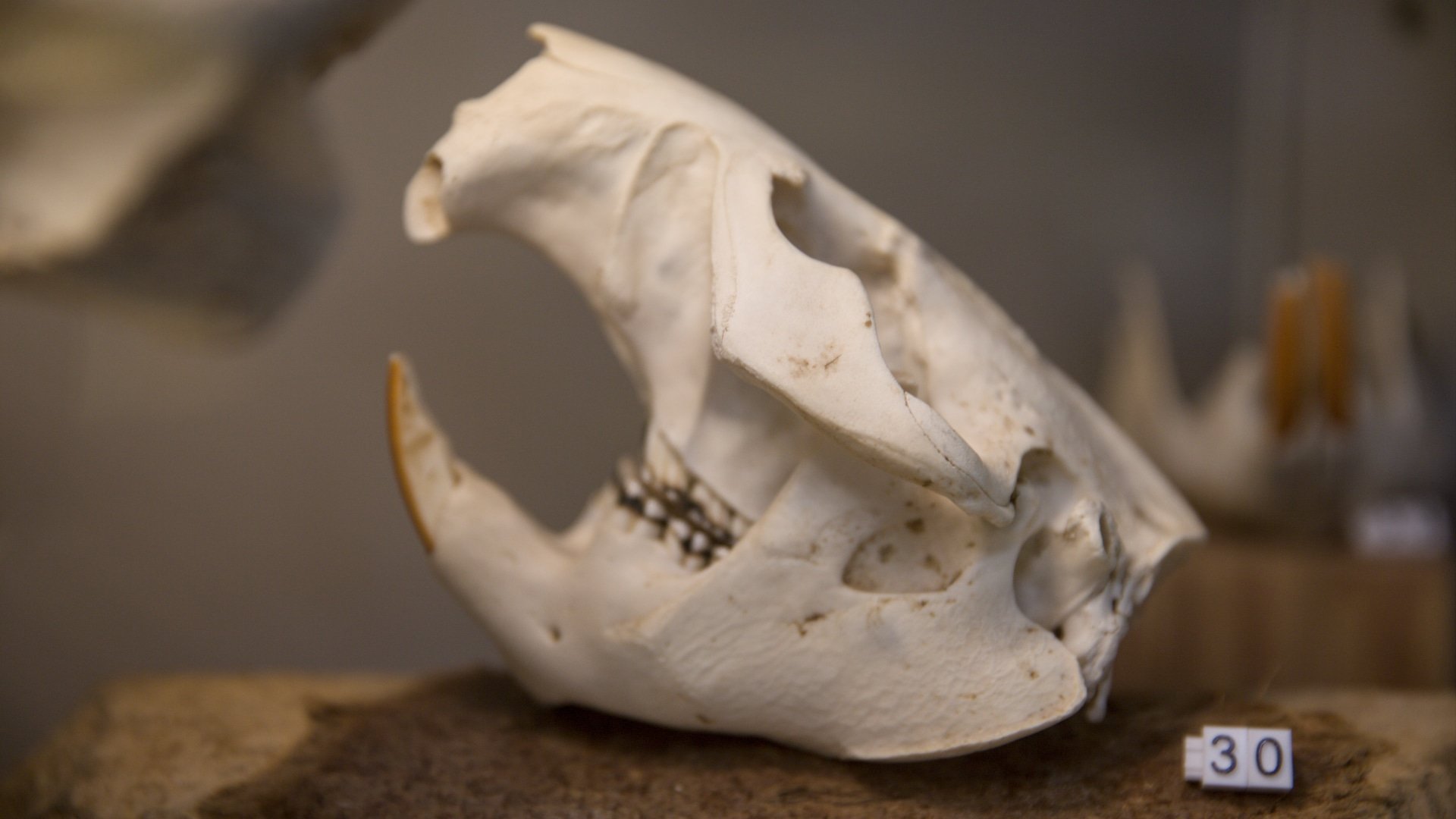
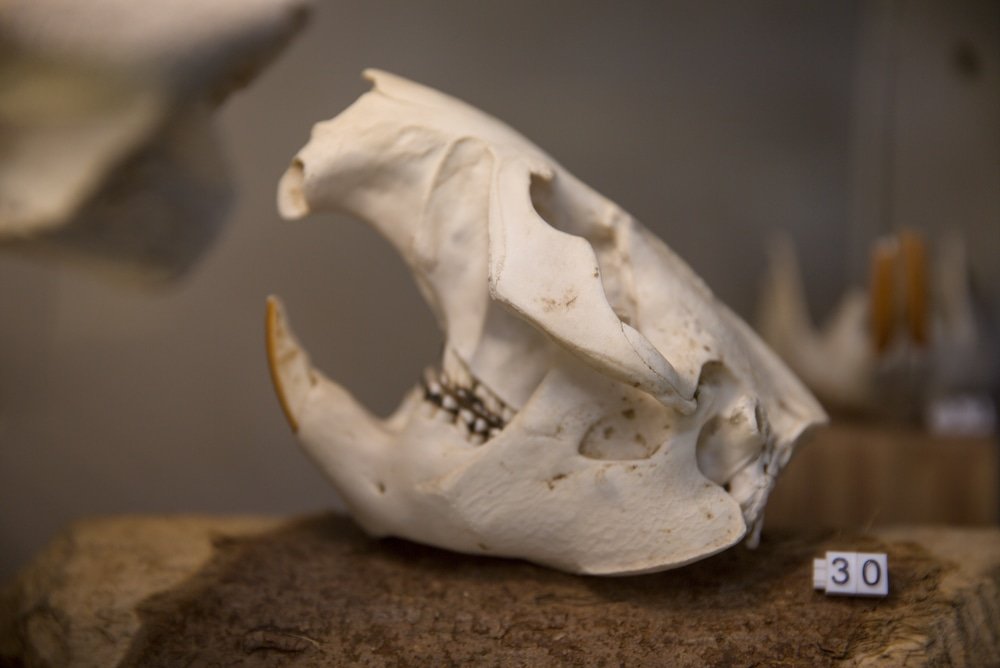
A substantial baleen plate from a baleen whale, dark and fibrous, recalls the giants that still glide through these waters, filtering krill with the same ancient method. Nearby, a beaver skull and lower jaw, recovered locally, bear the unmistakable marks of wood-chewing—evidence of the industrious animals that have shaped the island’s freshwater environments for centuries.
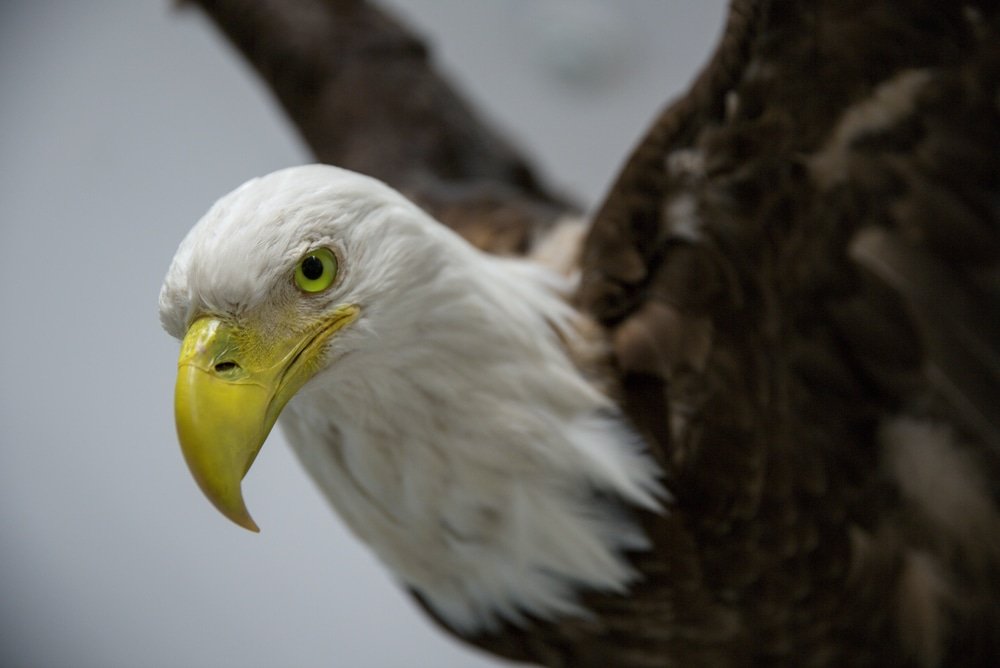
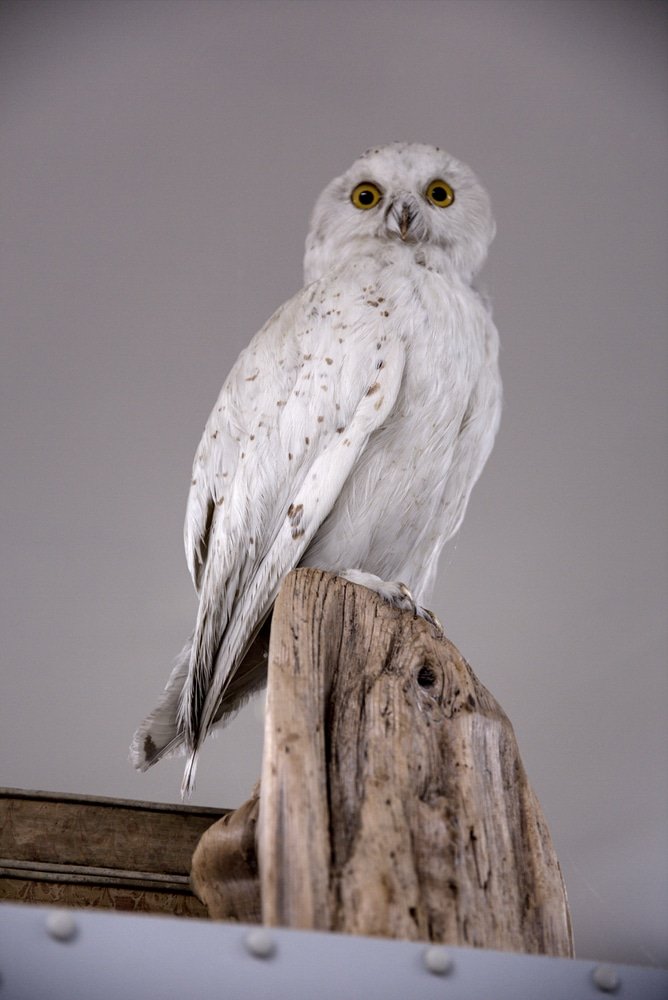
Atop the display, two birds stand watch: the snowy owl, its white plumage and intense yellow eyes embodying quiet vigilance, and the bald eagle in full wingspan, a powerful symbol of the wild Pacific Northwest.
Through these objects—fossils of vanished seas, shells of living tides, bones of whales and beavers, and the gaze of raptors—the display tells a single, unbroken story: of a place where ancient oceans have given way to the living waters of today, and where the past remains quietly present in every tide and every tree.